One component lighting and one component sculpture, the table lamp is an significant design element in any room. Table lamps can have an effect on the whole tone of a room, from bright and cheery to dimly-lit and mysterious. Lighting can change the whole ambiance of a room. Following are several tips to think about when deciding upon a table lamp for your home or office.
Style: Identify the existing style of the room and ascertain your style objectives. Remember that there isn't any one "right" table lamp - it can be actually a matter of what style or mood you want to express - but some selections are undoubtedly far better than others.
Deciding on a lamp that is the identical style as the rest of the room can make a strong statement about that certain style. On the other hand, mixing styles can add an fascinating complexity to a room. Contemporary or modern style lamps may be effectively introduced into a standard setting. Conversely, a classic style lamp can look incredibly good in a contemporary or contem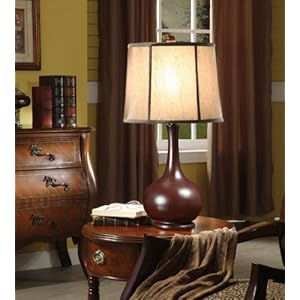
Lighting needs: identify the function of the lamp in terms of lighting needs. It is intended to provide general area of the lamp (also called environmental), reading or accent lighting?
Power: If there are other sources of light in the room, a 60-watt bulb can provide enough light for a living. However, if using only one or two lamps to illuminate an entire room, may be better to invest in a 100-150 watt light bulb or a 3-way bulb. This also gives enough light for reading. A reading lamp should offer 150 watts or more. In general, the rooms should have a source of light every 10 feet or so.
Lampshades: For general use lighting, you should choose a lamp with a lampshade that has some degree of transparency, such as a fabric, weave, or glass that is light in color. A semi-transparent shade gives a room a softer look. On the other hand, a shade that has little transparency will provide stronger, more concentrated light pattern that can create a dramatic effect. A shade that has a border on the bottom is wider spread light down which is good for a reading lamp.
Sculptural Qualities: In determining the lamp's sculptural qualities such as size, bulk, and color, the location and visual function of the lamp needs to be considered. Also, the table lamp should look beneficial whether it is actually turned on or off.
Size: Normally, brief or narrow lamps are much more proper on smaller tables and bulkier and taller lamps are much better suited on bigger tables or surfaces. A lamp located on a buffet table as well as other narrow surface will need to usually be extra narrow or shorter. On a petite nesting table or a narrow console, a tall and narrow candlestick lamp could be the top option.
Bulk: If the table lamp requirements to help in visually anchoring an location - then a lamp with additional bulk or visual weight such as a pottery jar lamp may well be probably the most proper. Table lamps will need to not compete with the overall style of the room - rather compliment it.
Color: The color or material of the lamp may also have an effect on a table lamp's dominance in a room. When there's higher contrast inside the color of the lamp towards the color of the walls or room setting, the lamp might be a stronger design element.
Location: The table light shouldn't block a view in get when it comes to conversation. If your light is on the table from a sofa along with a chair, think about a thin or transparent base so sight lines and conversation flow freely.
Height: Most living spaces are designed for a light that's 26 to 34 inches tall. The hardware shouldn't be visible to someone relaxing in a chair. The foot of the colour tone ought to be about despite an individual's cheekbone when looking at a chair and also the light's beam should fall about the page when reading through.
Lampshades: Generally, drum shades look more contemporary and conical ones look classical. The diameter from the lamp-shade should not extend past the edge on the table.
Weight and Stability: And lastly, make certain that there's a few pounds or any other backing feature to the bottom of the light to ensure that is can't be easily toppled over.
Tuesday, August 23, 2011
Picking the right Table Lamp
